What is the ACL and how does it tear?
The ACL (anterior cruciate ligament) is a strong band of tissue in the centre of your knee. It connects the thigh bone to the shin bone. It stops the shin bone from sliding forward and limits rotation, so your knee stays stable when you change direction quickly.
Most tears happen without contact. Typical moments are turning your body while your foot stays planted, landing from a jump with the knee falling inwards, or stopping suddenly. Less often, a direct blow to the knee tears the ligament. The risk is higher in female athletes.
What are the symptoms?
Pain and swelling can settle within a few weeks. This does not mean the ligament has healed. Each episode of the knee giving way increases the risk of damage to the meniscus and the cartilage.
- A pop or a tearing feeling inside the knee at the moment of injury
- Clear swelling within the first few hours (bleeding inside the joint)
- Not being able to continue playing, or not being able to straighten the knee fully
- Once the swelling settles, the knee gives way or feels unstable when you turn or go down stairs
How is an ACL tear diagnosed?
During the examination we test the ligament with the Lachman and pivot shift tests. These show whether the shin bone slides forward and whether the knee is unstable in rotation.
An MRI scan confirms the tear. It also shows injuries that often come with it, to the meniscus, the cartilage or the side ligaments. If a bone injury is suspected, we also take an X-ray.
Who can be treated without surgery?
The non-surgical route can be a good choice if you do not plan to return to sports with sudden turns and jumps, and your knee does not give way in daily life or in activities such as running in a straight line, cycling or swimming. It is also important that there is no meniscus tear that needs repair.
Non-surgical treatment does not mean rest. It needs intensive rehabilitation based on strength, balance and movement control. If your knee gives way during this time, we look at the decision about surgery again.
Who should have surgery?
- People who want to return to turning sports such as football, basketball, volleyball, handball or skiing
- People whose knee gives way in daily life
- People with a meniscus tear that can be repaired, or with injuries to more than one ligament
- Young, active people with physically demanding jobs who need a stable knee
Surgery and graft options
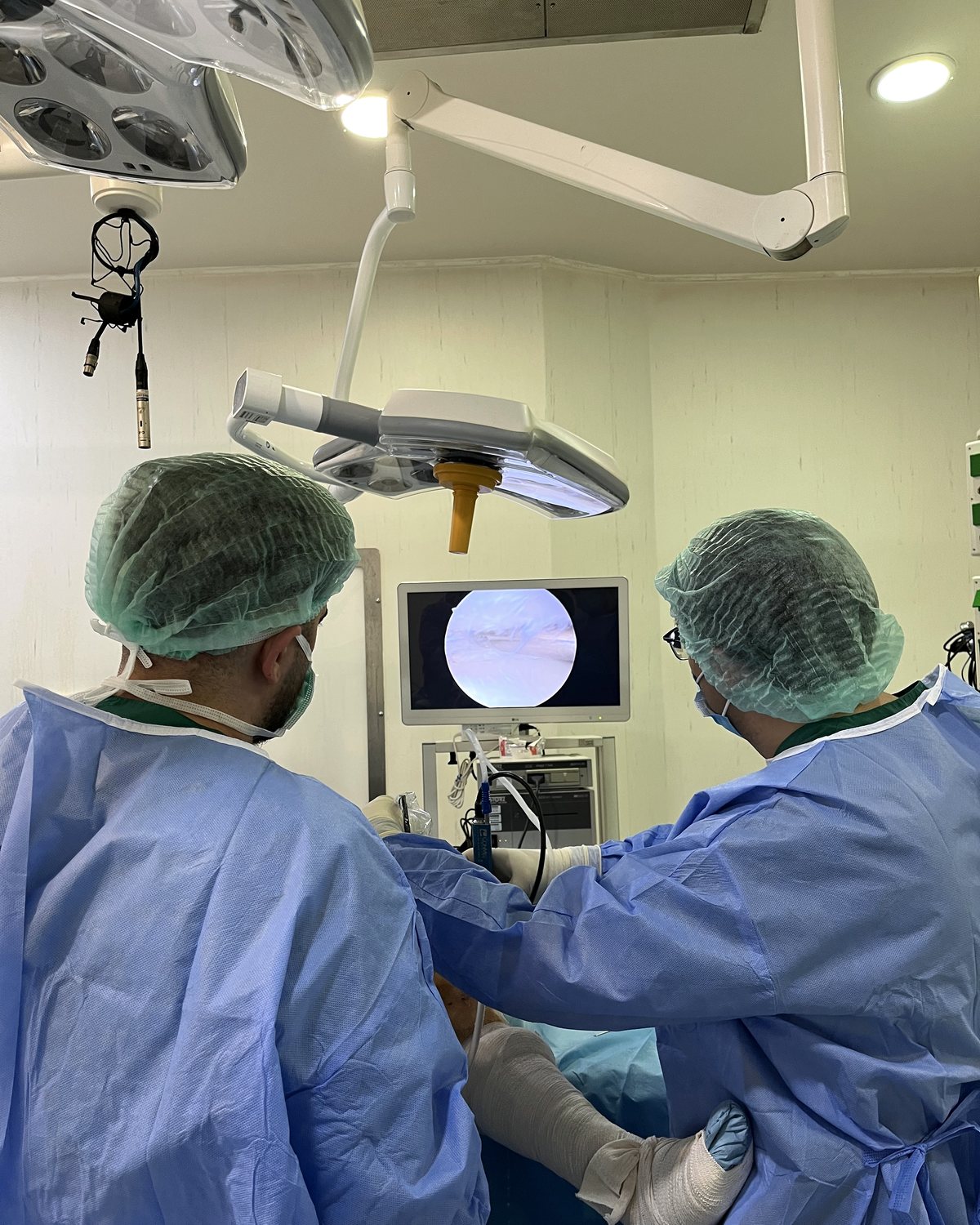
A torn ACL is not stitched back together. Instead, it is rebuilt with a new ligament, called a graft (ACL reconstruction). We carry out the operation as keyhole surgery (arthroscopy), using a camera through small cuts. If you also have a meniscus tear, we treat it in the same operation and repair it with stitches where possible.
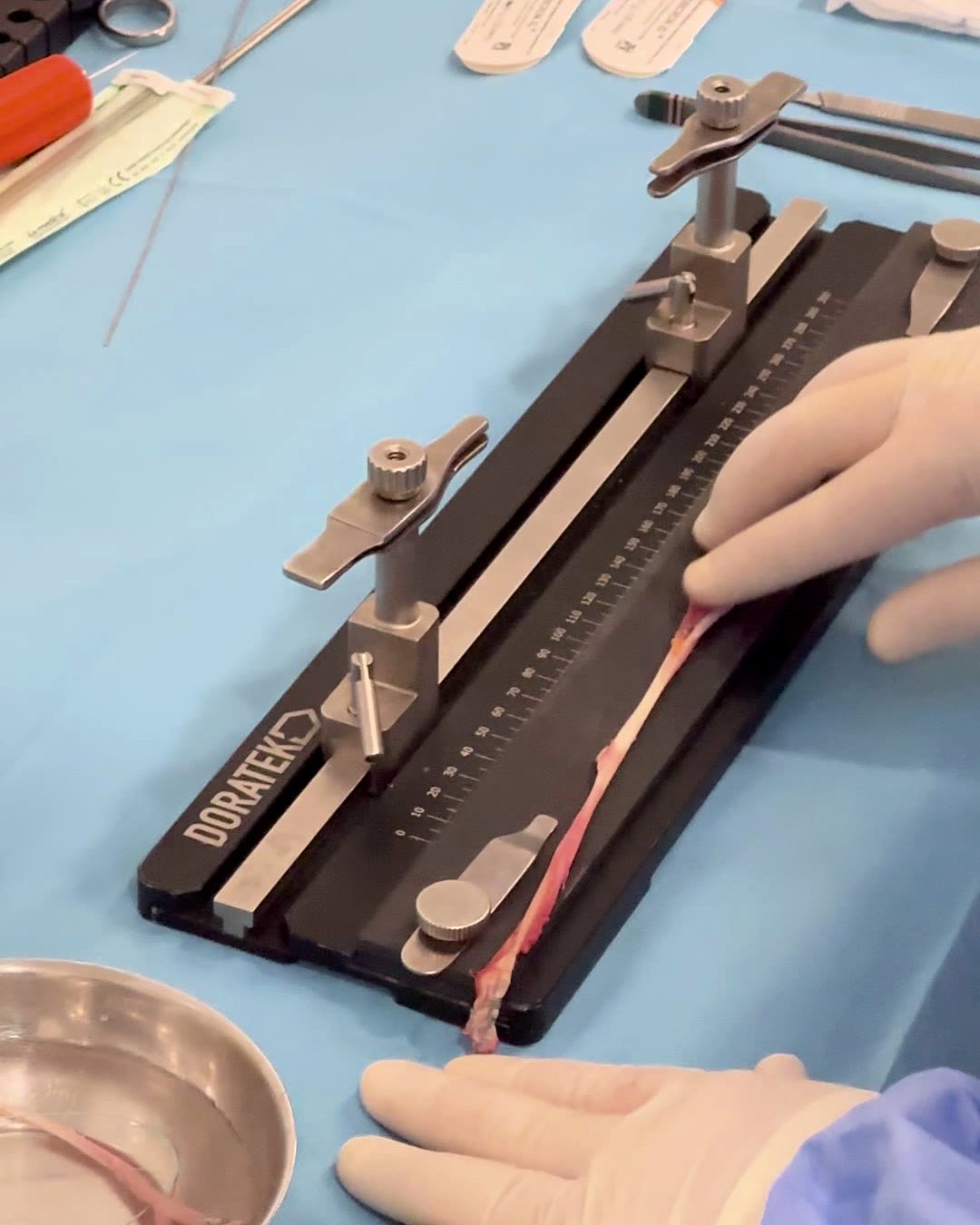
The graft is usually taken from your own tendons: the hamstring tendons at the back of the knee, the patellar tendon below the kneecap, or the quadriceps tendon at the front of the thigh. Each has strengths and weaknesses. We choose the graft together, based on your age, your sport and the features of your knee.
What are the phases of rehabilitation?
After the operation, Dr Gürsel and the physiotherapist follow your progress together. The times below are approximate. You move to the next phase when you reach the goals of the current one, not because a date has passed.
- Early phase (0–2 weeks): controlling swelling, getting the knee fully straight, getting the front thigh muscle working again, walking with crutches
- Movement and walking phase (2–6 weeks): normal walking without crutches, more bending, basic strength and balance work
- Strength phase (6 weeks–3 months): building muscle strength, single-leg control, cycling
- Running and jumping phase (3–6 months): once the criteria are met, straight-line running, jumping and landing training
- Sport-specific phase (after 6 months): agility, changing direction and a controlled return to training
The Ön Çapraz Bağ Rehberi app and OrtoSporLab
Your rehabilitation programme follows stages prepared by physiotherapists. To help you follow it step by step at home, the Ön Çapraz Bağ Rehberi (ACL guide, in Turkish) app is coming soon to the App Store and Google Play. The app will show the exercises for your current phase, and the physiotherapist reviews your progress at your follow-up appointments.
Before you return to sport, testing can be carried out at OrtoSporLab, a separate testing and consulting centre. This can include jump and landing tests on a force plate, strength tests of the front and back thigh muscles, and movement analysis. Your operated leg is compared with the healthy leg. Any gaps become visible in numbers, and the rehabilitation programme is adjusted to them.
When can I return to sport?
We do not give a fixed number of months for return to sport. The decision is based on several things together: the difference between your legs in strength and jump tests has come down to an acceptable level, there is no swelling or pain, your movement quality is good and you feel ready psychologically. Returning early, before passing these tests, is known to increase the risk of injuring the knee again.
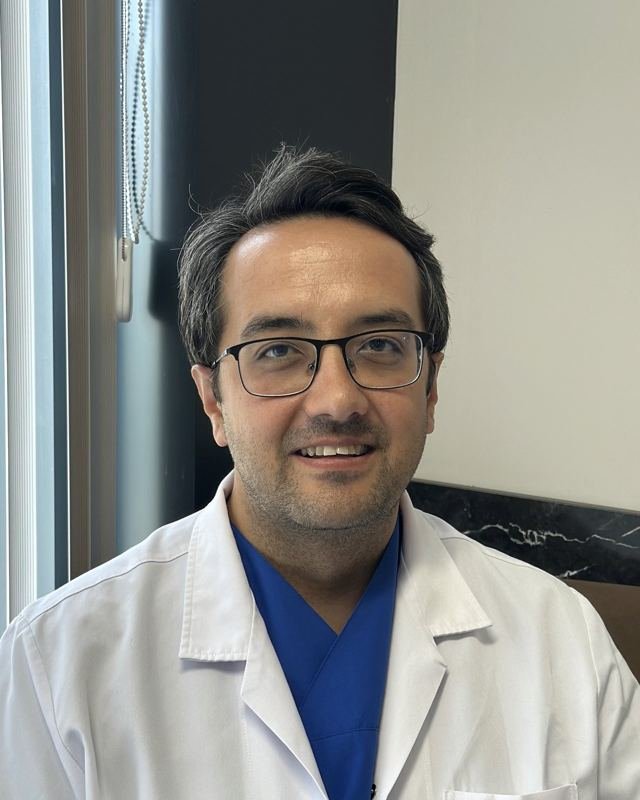
Reviewed by Dr Enis Gürsel, Orthopaedic and Trauma Surgeon · Last reviewed: 5 November 2026