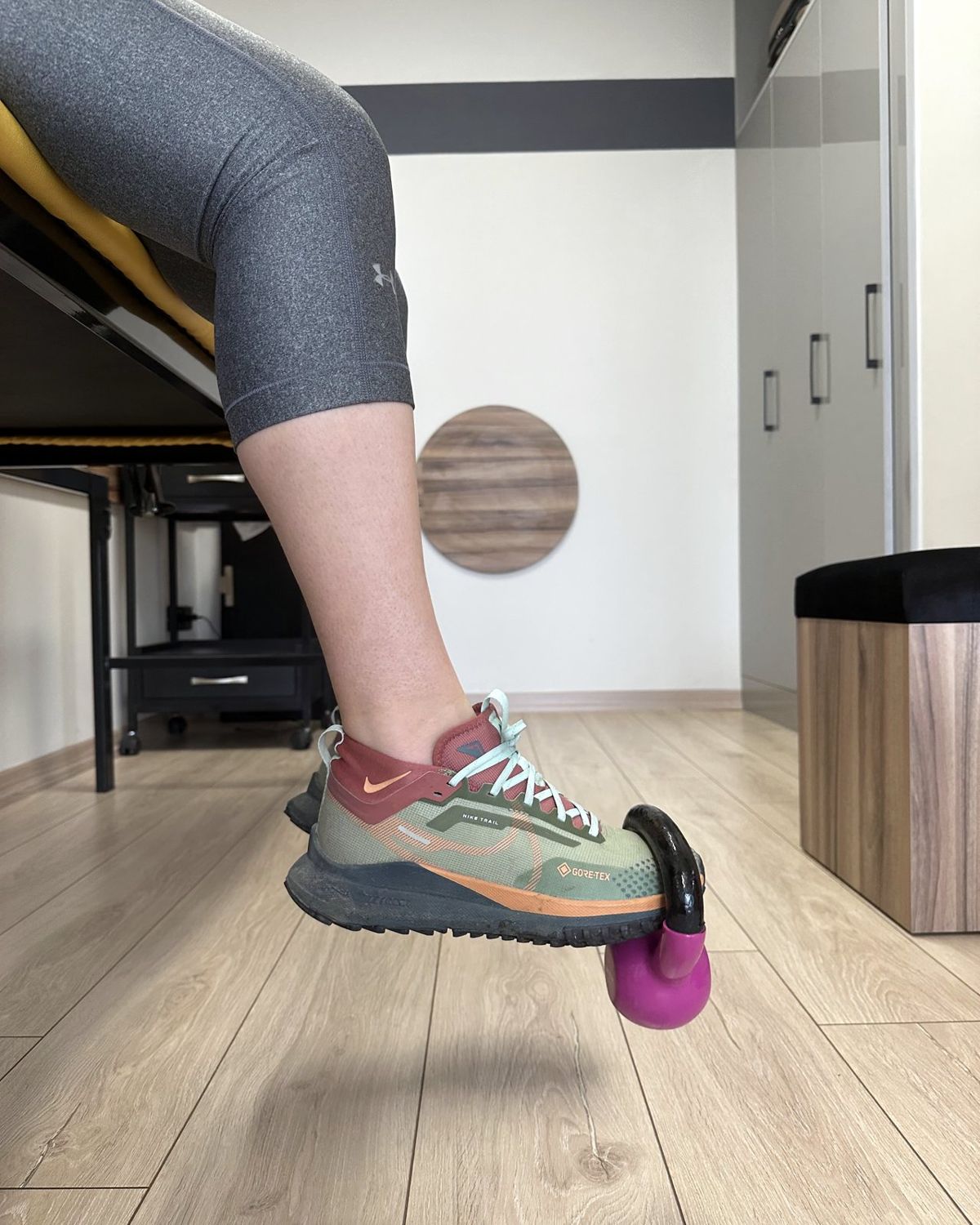
Why prepare before surgery?
Preparation before surgery (pre-operative rehabilitation, or "prehab") aims to make the first weeks after the operation easier. Before ACL surgery in particular, we look at three things when timing the operation: less swelling in the knee, a fully straight knee and a working front thigh muscle.
Before a joint replacement, we practise muscle-strengthening exercises, walking with a frame and crutches, and moving safely at home.
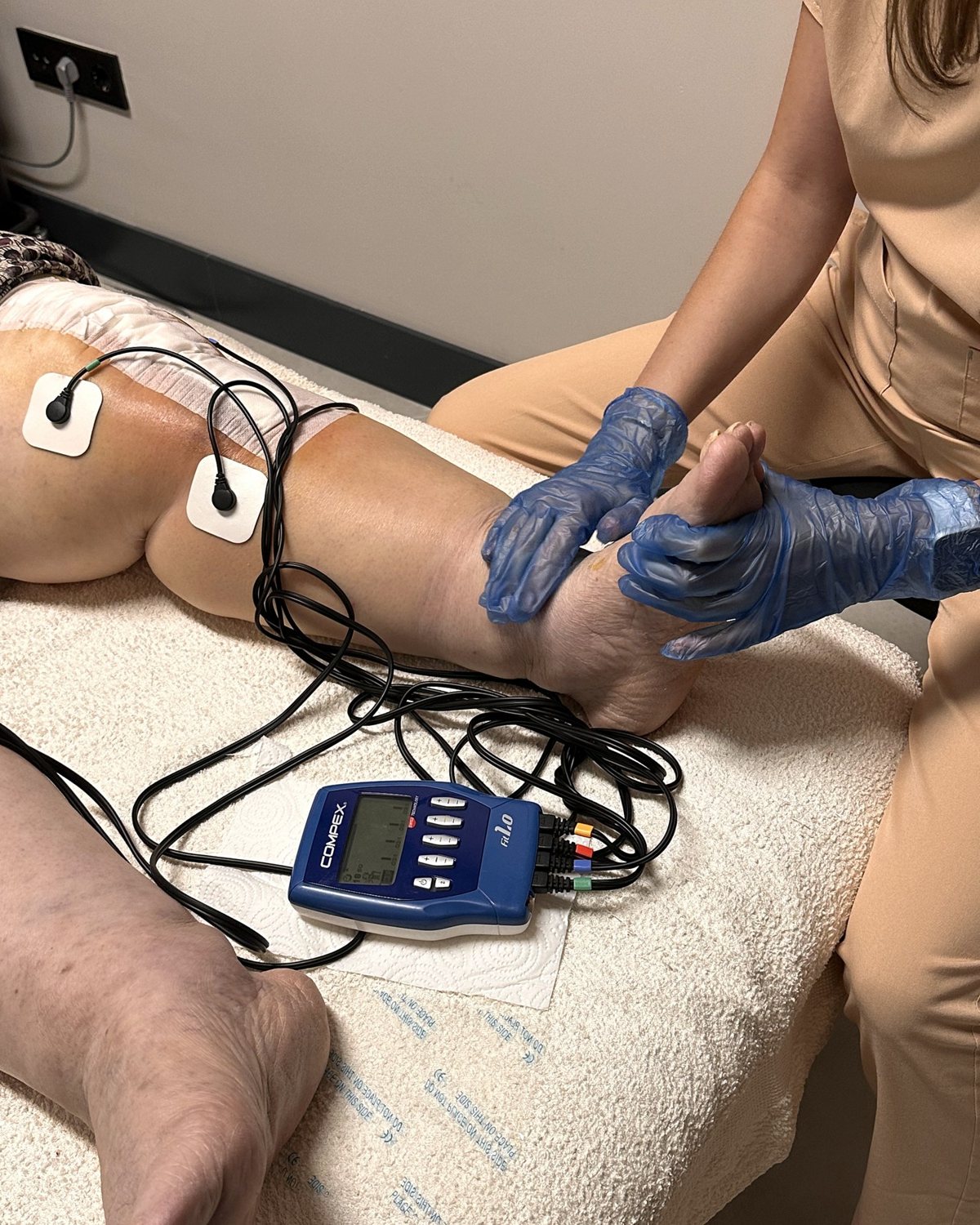
What happens in rehabilitation after surgery?
After surgery, the doctor and the physiotherapist see you together at your follow-up appointments. Because the team knows what was done in the operation, we decide together when each movement is allowed and when more load can be added.
Rehabilitation usually moves through the stages below. How long each stage lasts depends on the type of operation and on you.
- Protection stage: controlling swelling and pain, wound care, safe range of movement
- Movement stage: getting joint movement back, normal walking or normal use of the arm
- Strength stage: muscle strength, balance and endurance
- Return stage: preparation for work, daily activities and your sport
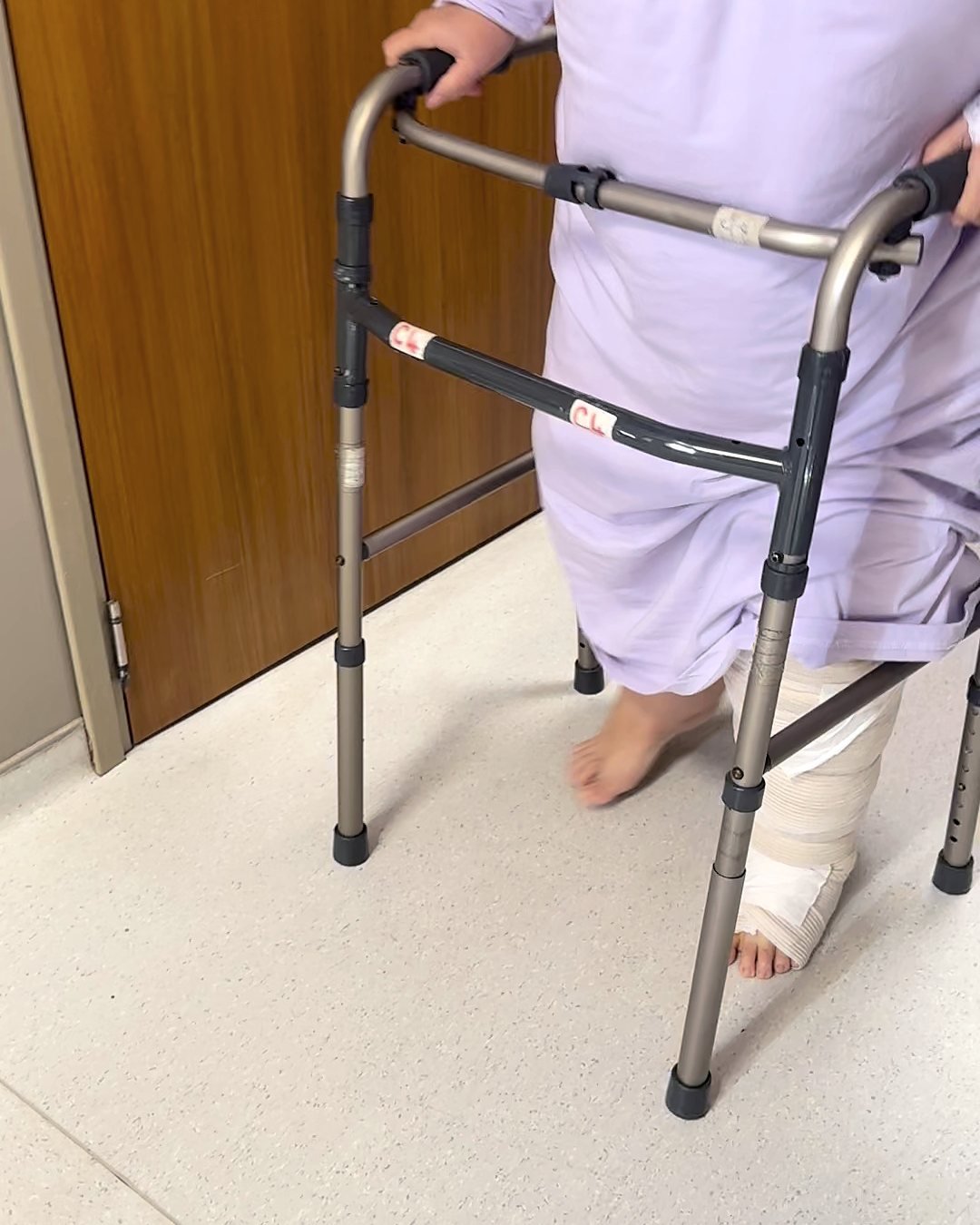
After which operations?
- Knee and hip replacement
- ACL, meniscus and cartilage surgery
- Shoulder tendon (rotator cuff) repair and surgery for shoulder dislocation
- Fracture surgery, and joint stiffness after a plaster cast
- Hand and foot surgery, and tendon repairs
Rehabilitation for athletes
For athletes, the goal is not only less pain but a safe return to sport. So the programme includes movements specific to your sport, jumping and landing, sprinting and changing direction.
We use the same step-by-step approach for sports injuries that do not need surgery, such as muscle tears, tendon problems and ankle sprains.
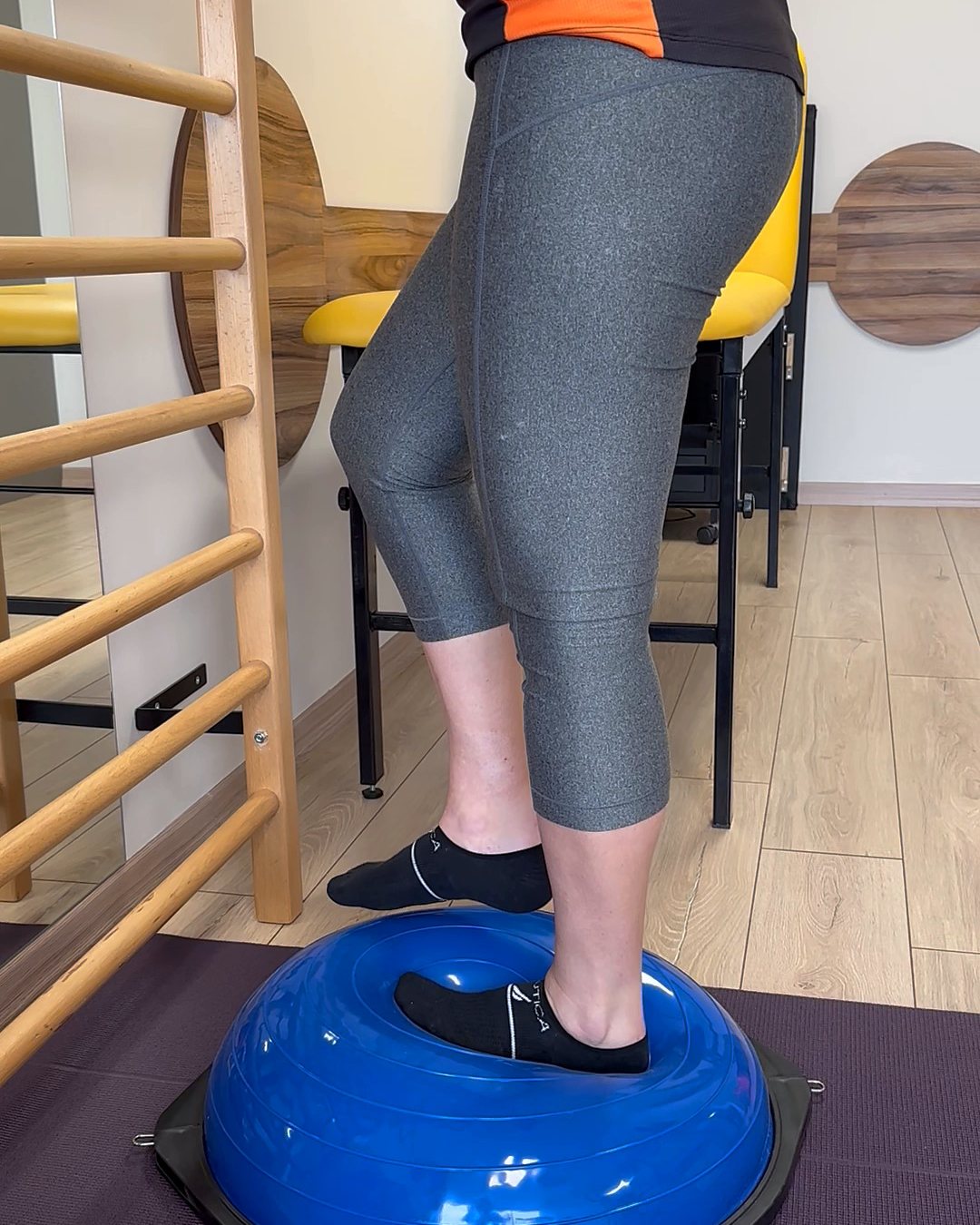
What should I do at home?
A large part of rehabilitation happens at home, between sessions. You need to do your exercises as often as advised, keep swelling and pain under control and avoid movements that are not right for your stage yet.
Please tell us before you continue the programme if you have pain after exercise that lasts until the next day, more swelling, a fever or fluid coming from the wound.
The Ön Çapraz Bağ Rehberi (ACL guide, in Turkish) app
The Ön Çapraz Bağ Rehberi (ACL guide, in Turkish) app, coming soon to the App Store and Google Play, is designed for the time before and after ACL surgery. It is based on a rehabilitation programme prepared by physiotherapists. It will help you do the home exercises for your stage regularly and follow your progress.
The app does not replace your sessions. It is the home part of the programme your physiotherapist supervises.
How is progress measured at OrtoSporLab?
We follow your progress with measurements, not only by eye. At OrtoSporLab, a separate testing and consulting centre, jumping and landing forces are measured on a force plate. Hamstring, hip, knee and shoulder strength are measured too, and there is 3D movement analysis and sprint and agility timing with light gates.
Differences between the operated side and the healthy side are tracked in numbers. The decision to move to the next stage, and to return to sport, is made by looking at these measurements together with the examination findings.
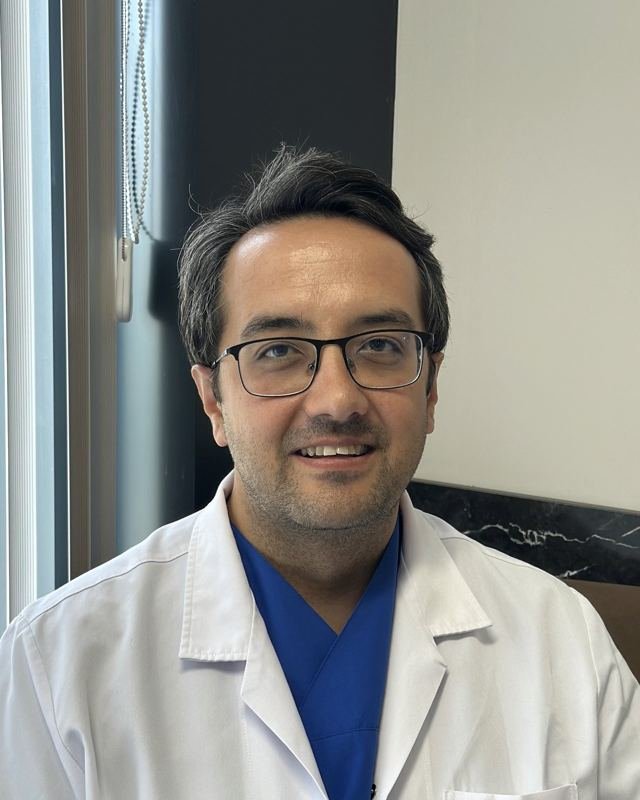
Reviewed by Dr Enis Gürsel, Orthopaedic and Trauma Surgeon · Last reviewed: 5 November 2026