Which sports injuries need an operation?
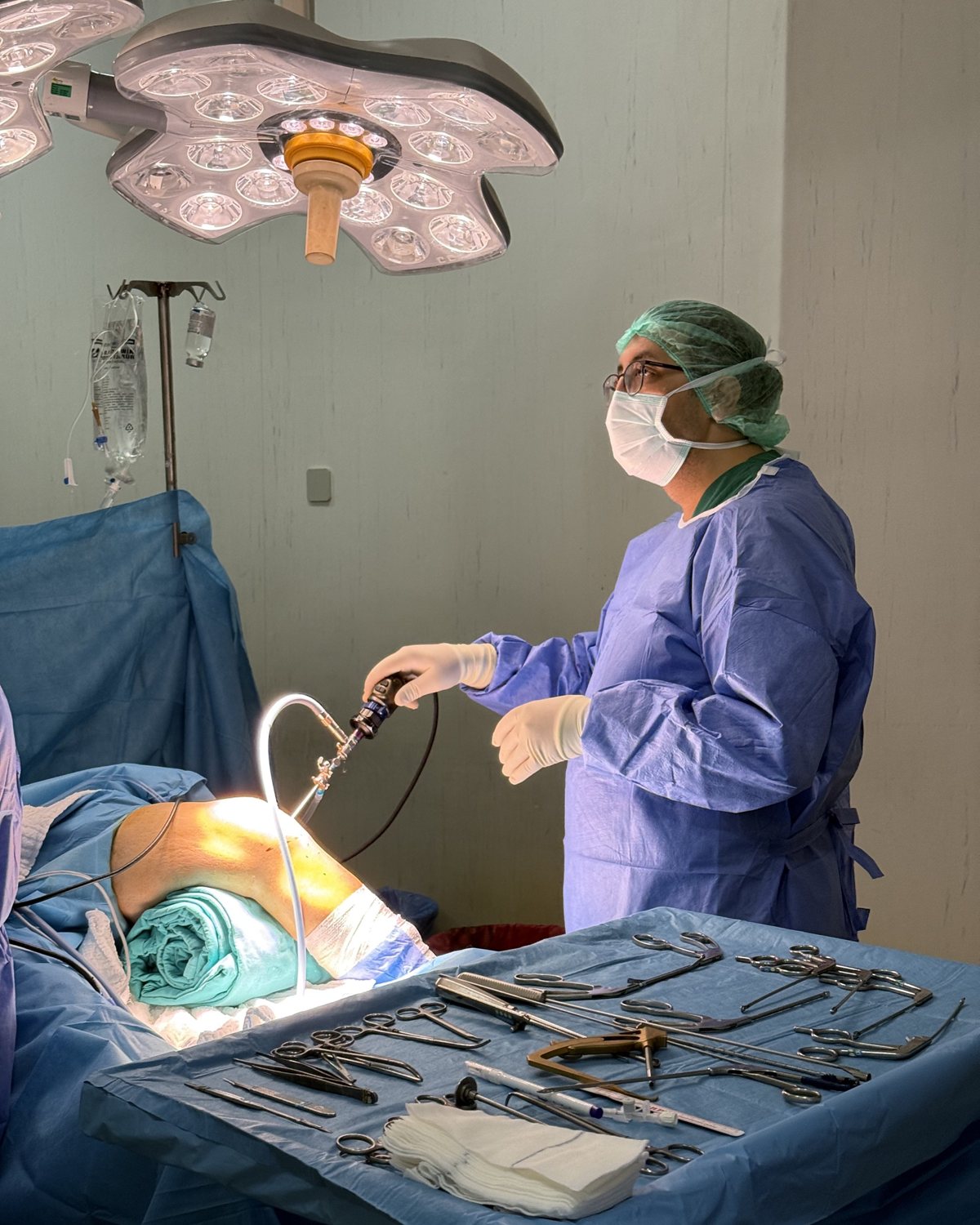
Most sports injuries happen with a sudden twist, a bad landing or a collision, and many of them heal without surgery. Some injuries, however, need an operation to keep the joint stable and to try to reduce the risk of osteoarthritis later.
The decision depends on the type of tear, your age, your sport and your goals. It is made together with the findings of the examination and the MRI scan.
ACL tear
The anterior cruciate ligament (ACL) is a band of tissue inside your knee. It stops the knee sliding forward and giving way when you twist. When it tears, the knee often gives way, especially when you change direction suddenly. Repeated giving way can damage the meniscus and cartilage over time.
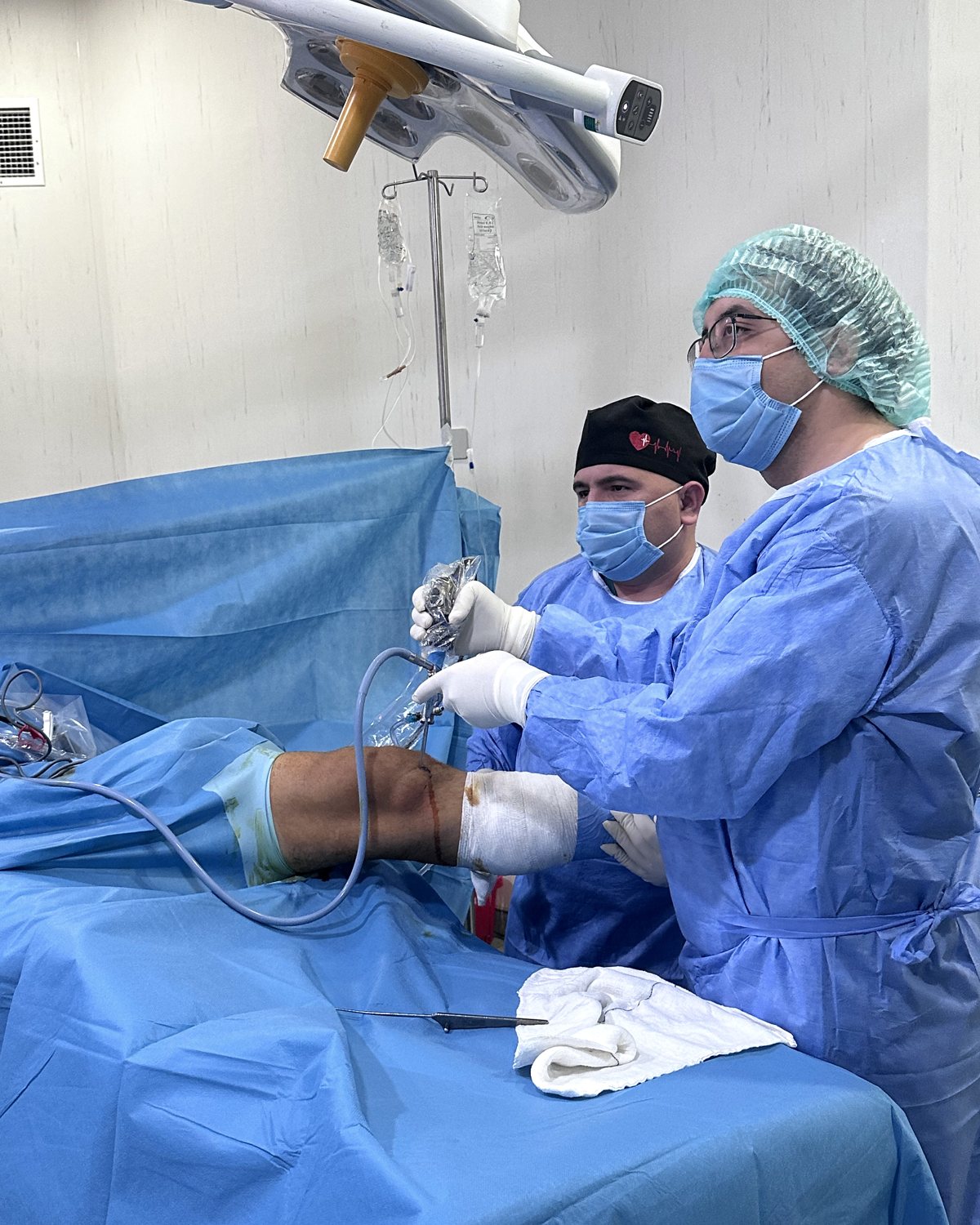
If you want to return to active sport, especially sports with twisting and jumping such as football and basketball, rebuilding the ligament (ACL reconstruction) is usually recommended. In keyhole surgery, a new ligament is made from one of your own tendons, from the back of the thigh (hamstring) or below the kneecap, and placed in the knee.
Meniscus tear
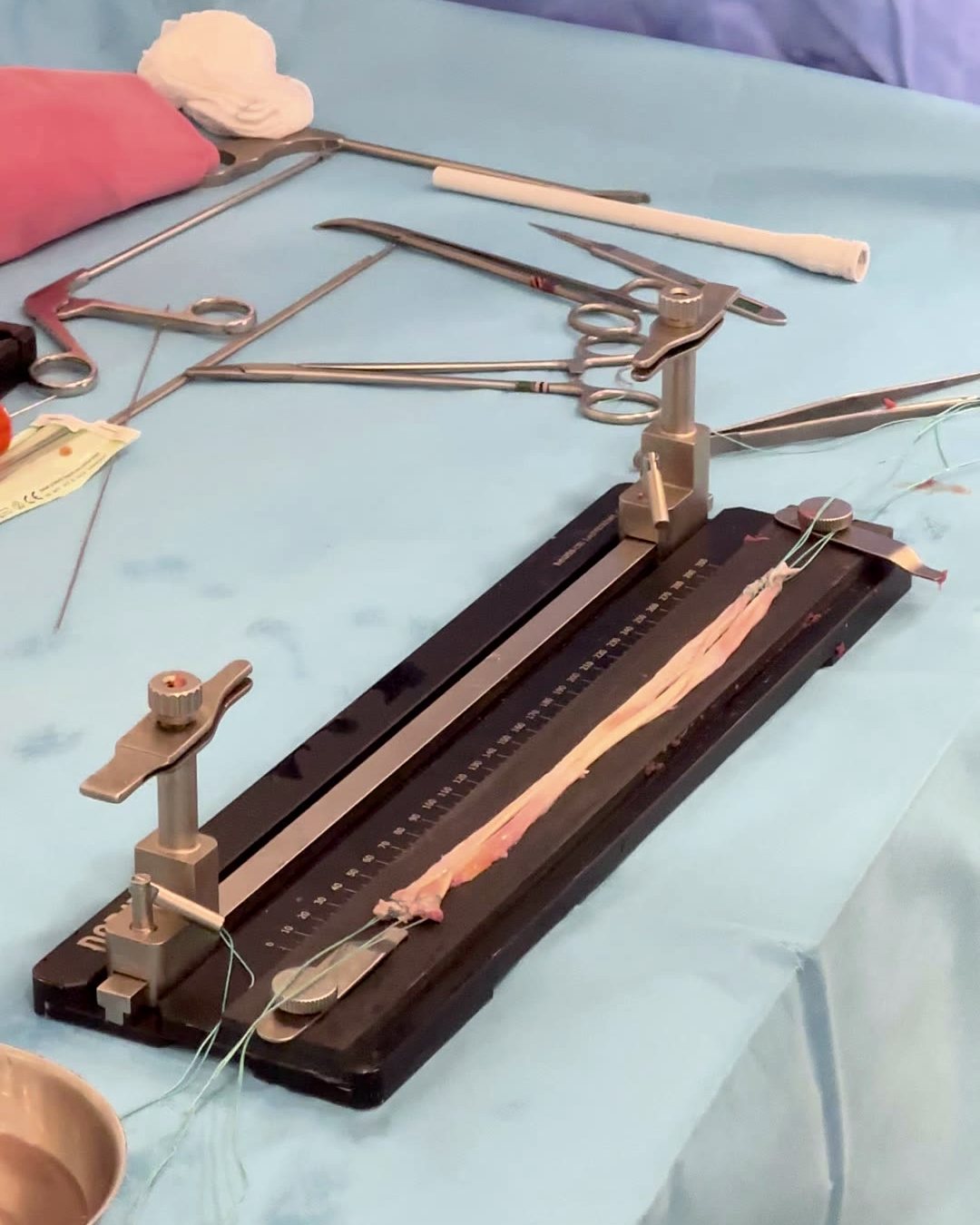
The menisci are C-shaped cushions of cartilage between the thigh bone and the shin bone. They spread the load across the knee. Losing meniscus tissue can raise the risk of knee osteoarthritis later, so for suitable tears we aim to repair the meniscus with stitches instead of removing it.
After a meniscus repair you usually need crutches and limited knee bending for 4–6 weeks. If a tear cannot be repaired, only the damaged part is trimmed (partial meniscectomy), and recovery is shorter.
Dislocated shoulder
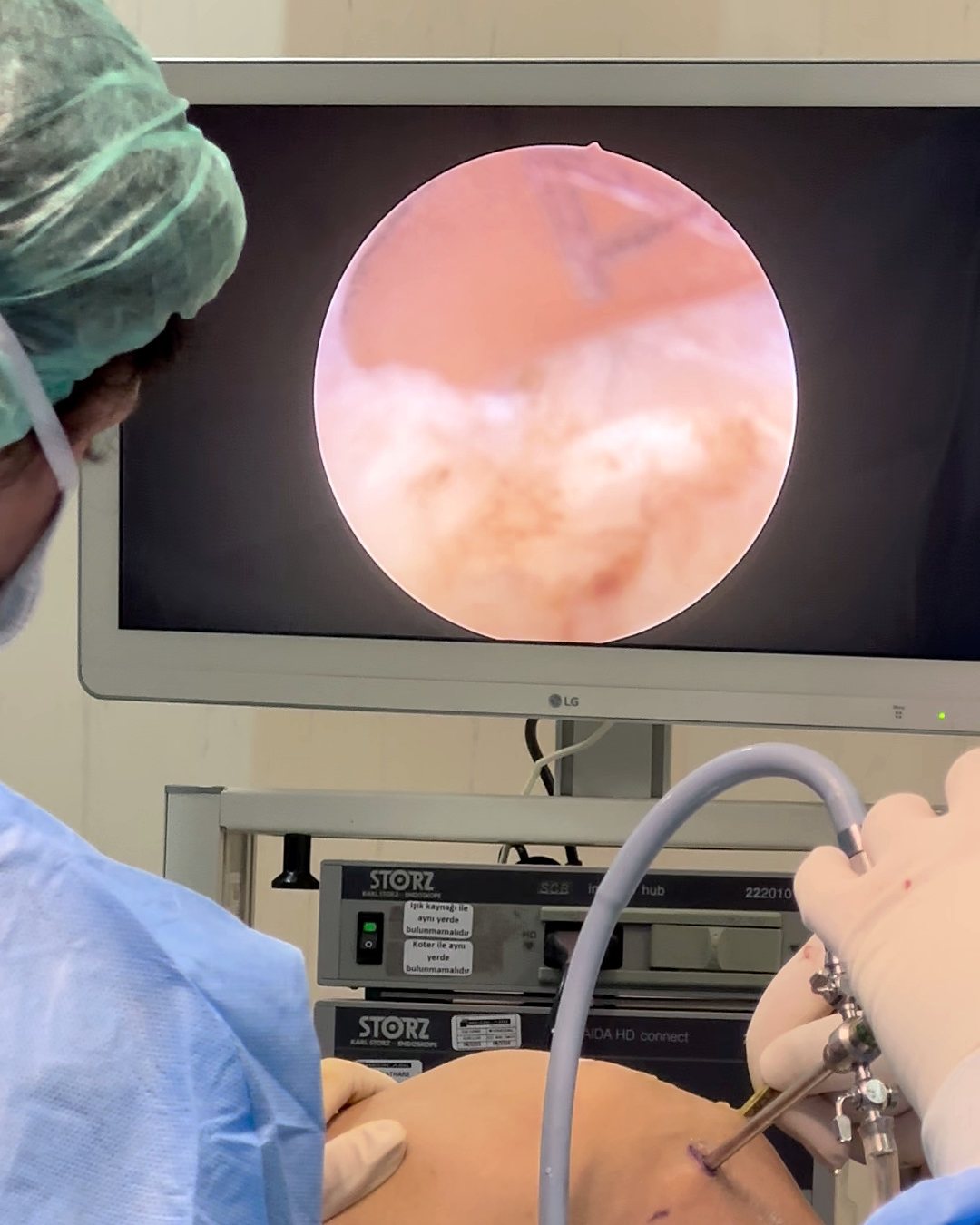
A shoulder dislocation can happen again, especially in young people and in contact sports. When it keeps happening, the torn labrum (the rim of cartilage around the shoulder socket) is reattached to the bone with keyhole surgery. If a lot of bone has been lost, other techniques may be needed.
After the operation the arm is usually kept in a sling for 3–6 weeks. A return to contact sports usually takes 4–6 months.
Cartilage damage
Damage to a small area of the joint cartilage can cause pain, swelling and catching. Depending on the size of the damage, we may use microfracture, which draws repair cells from the bone marrow. Another option is to move small plugs of cartilage and bone from a healthy area to the damaged one (mosaicplasty).
Torn Achilles tendon
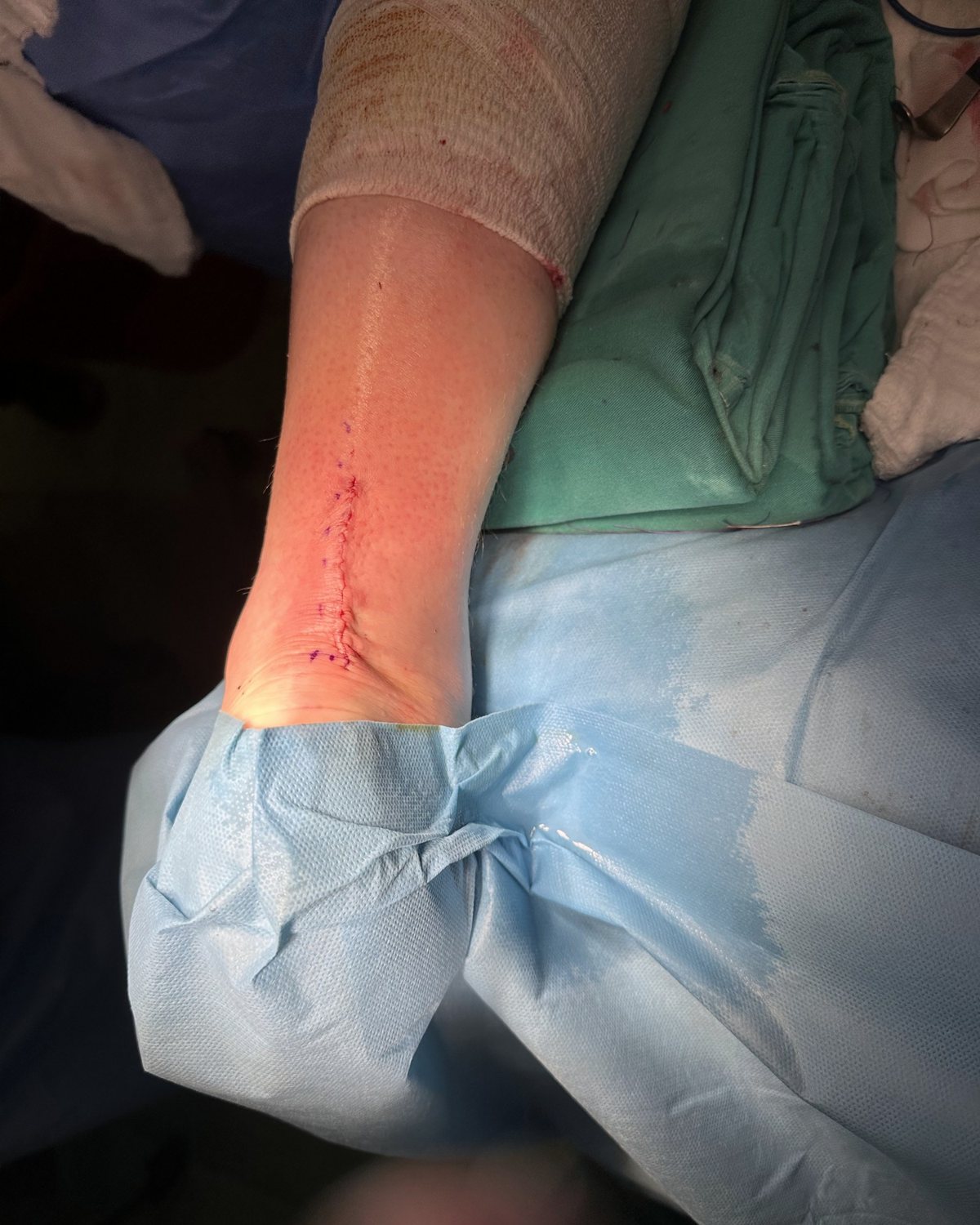
An Achilles tendon rupture usually happens during a sudden jump or sprint. It often feels as if someone has kicked you in the back of the heel. Depending on where the tendon has torn, the gap between the ends and your own expectations, we plan either surgical repair or treatment without surgery in a special boot. Both paths need careful rehabilitation in stages.
What is rehabilitation like after ACL surgery?
Rehabilitation moves forward in stages, with the doctor and physiotherapist following you together. The typical stages after ACL surgery are below. The timing varies from person to person, and you move to the next stage when you reach measured goals, not because a date has passed.
The Ön Çapraz Bağ Rehberi (ACL guide, in Turkish) app, coming soon to the App Store and Google Play, is based on a programme prepared by physiotherapists. It will help you follow your home exercises for each stage.
- 0–2 weeks: reducing swelling, getting the knee fully straight, getting the front thigh muscle working again
- 2–6 weeks: walking normally without crutches, increasing knee bending
- 6 weeks–3 months: strength and balance work
- 3–6 months: preparing for running, jumping and changing direction
- Return to sport: usually at 9 months or later, when the test criteria are met
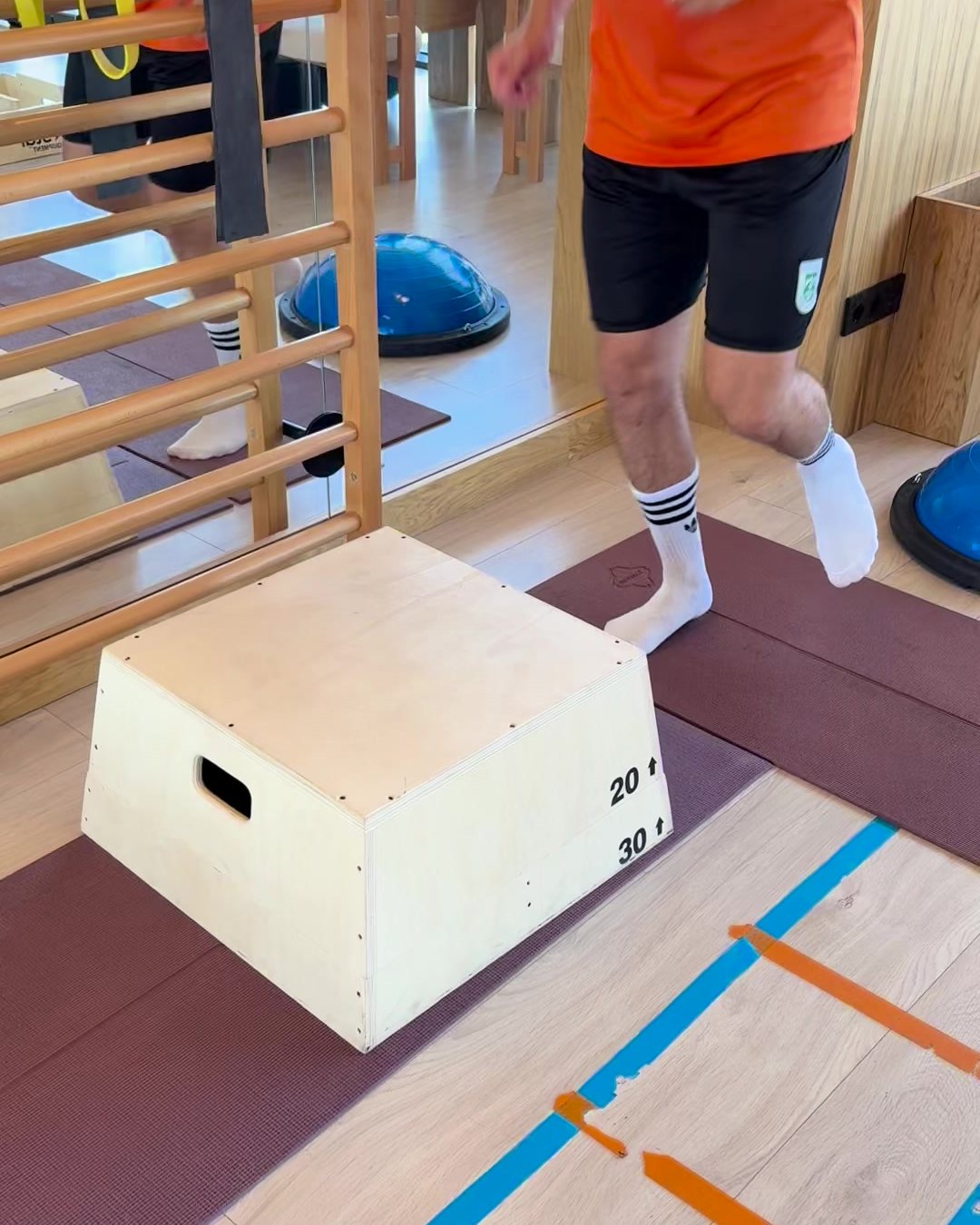
Return to sport based on measurements at OrtoSporLab
We plan your return to sport on measurements, not only on the time since surgery. At OrtoSporLab, a separate testing and consulting centre, jumping and landing are measured on a force plate, together with hamstring, hip and shoulder strength. There is also 3D movement analysis, and sprint speed and agility are timed with light gates.
Differences between the operated side and the healthy side are tracked in numbers. This helps decide what rehabilitation should focus on and when it is suitable to go back to training and competition.
Possible risks and side effects
Possible risks of sports surgery include infection, a blood clot in the leg veins, stiffness of the knee or shoulder, a new tear of the rebuilt ligament or repair, and a meniscus repair that does not heal. Completing your rehabilitation fully and not returning to sport too early help to reduce the risk of a new injury.
Reviewed by Dr Enis Gürsel, Orthopaedic and Trauma Surgeon · Last reviewed: 5 November 2026