What is PRP?
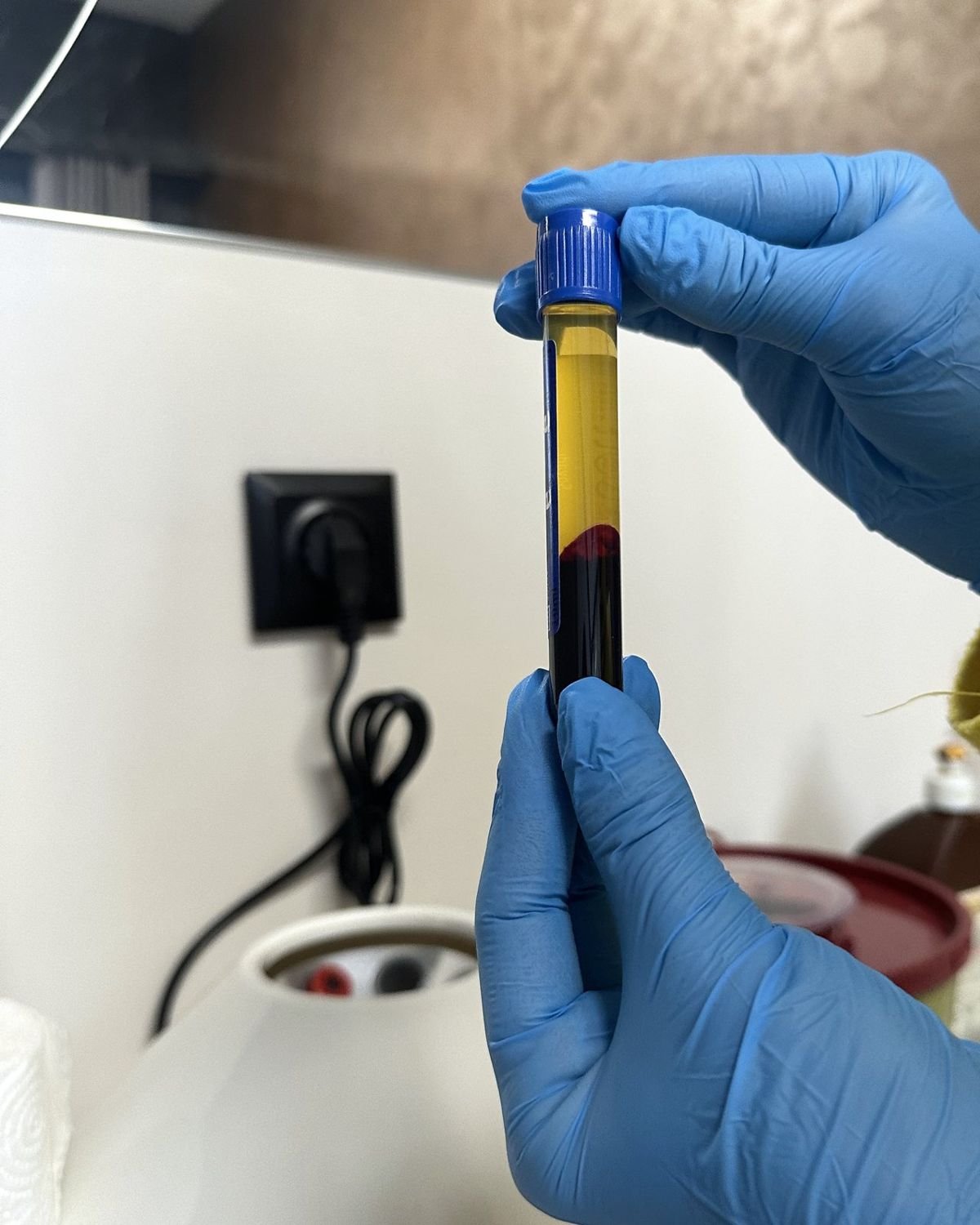
Your blood contains platelets, which help blood to clot. Platelets carry proteins called growth factors, which play a role in tissue repair.
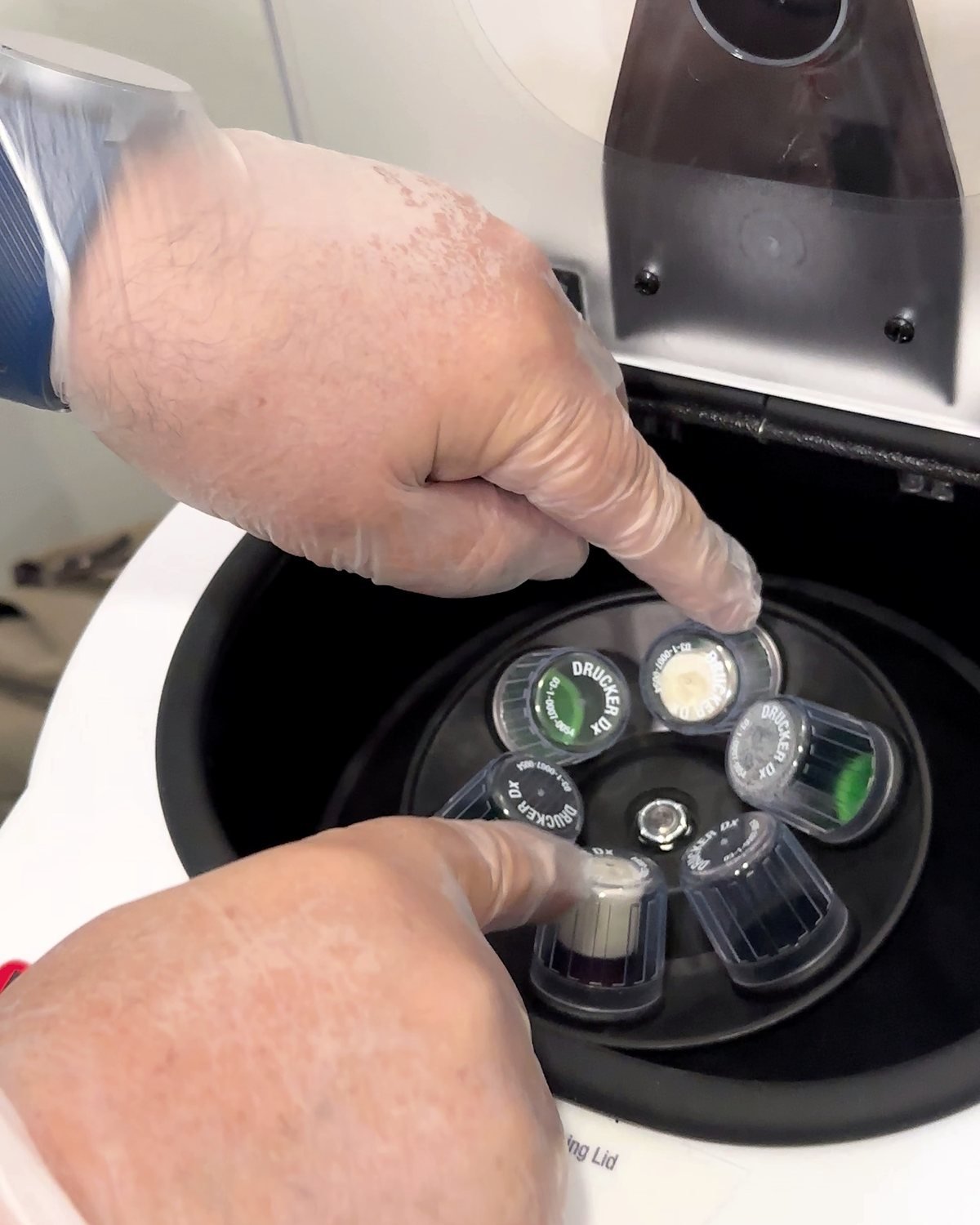
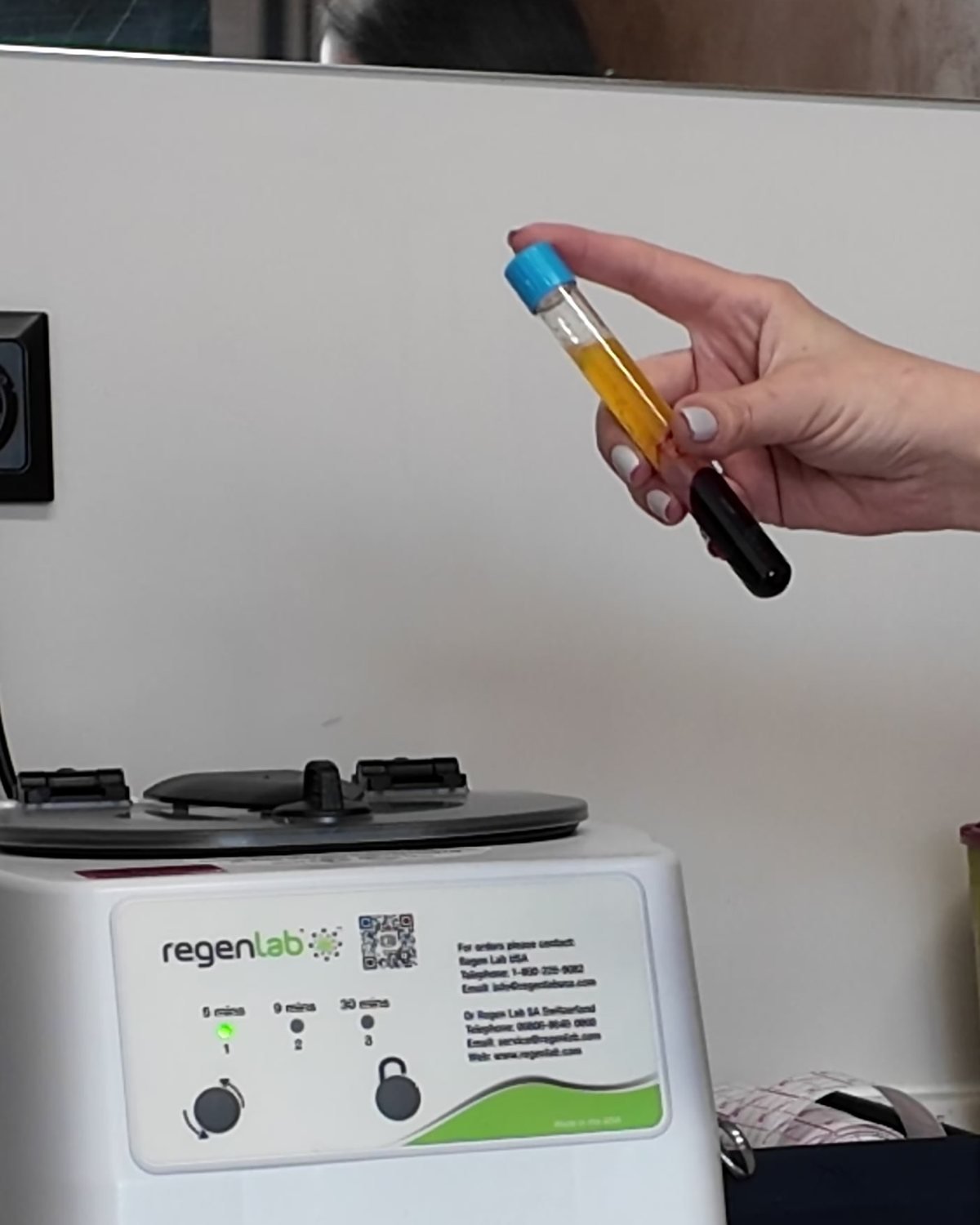
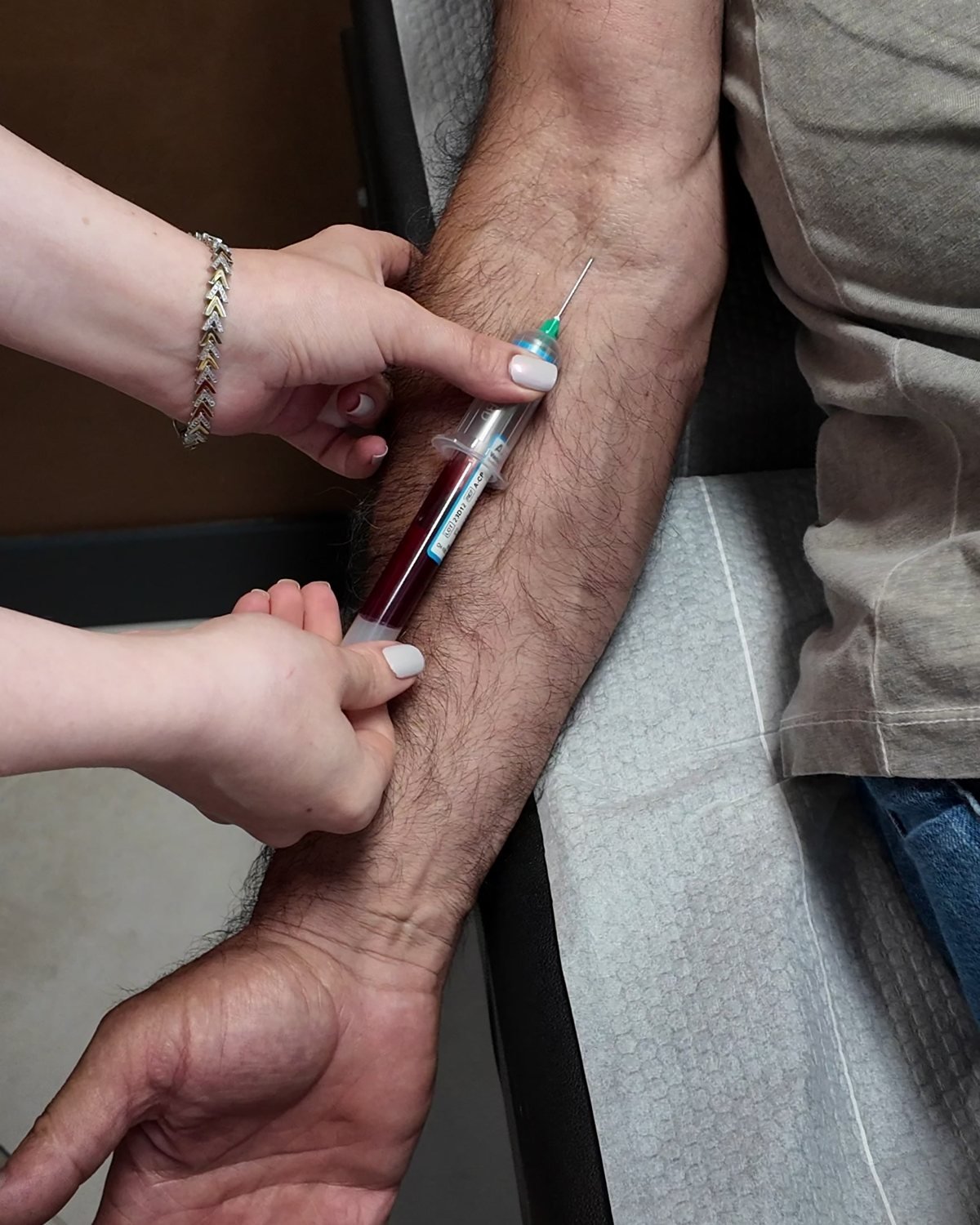
For a PRP injection, we take a small amount of blood from your arm and spin it in a centrifuge. This separates the parts of the blood. The plasma that is rich in platelets is collected and injected into the area being treated. Because it is made from your own blood, an allergic reaction is not expected.
PRP is not the same as an injection of your own fat tissue (often called a stem cell injection). PRP is plasma prepared from blood. It does not involve growing cells or taking fat tissue.
What is PRP used for?
- Mild and moderate knee osteoarthritis, and osteoarthritis in other joints
- Tennis elbow and other long-lasting tendon pain
- Rotator cuff tendinopathy in the shoulder (wear of the shoulder tendons)
- Selected muscle tears
What does the research say?
There are many studies on PRP. Some show that it can reduce pain in knee osteoarthritis and tennis elbow, but the results are not the same in every study. For muscle tears and some tendon problems the evidence is more limited.
PRP does not rebuild worn cartilage. The preparation method, the platelet concentration and the number of injections differ between centres, which makes results hard to compare. It usually takes a few weeks for the effect to appear, and the response varies from person to person.
How is PRP different from a steroid injection?
A steroid (cortisone) injection is a strong anti-inflammatory medicine, and it often starts to work within a few days. However, repeating it often in the same area is not recommended.
PRP is made from your own blood and works more slowly. It aims to support tissue repair and give longer-lasting relief. Which option suits you depends on the type and severity of the problem and your expectations. Sometimes both are planned at different times.
PRP can also be combined with hyaluronic acid (a lubricating gel similar to joint fluid) in a single injection. You can read more about this on our ultrasound-guided injections page.
Who should not have PRP?
PRP is not recommended if you have a low platelet count, an active infection, ongoing cancer treatment or if you are pregnant. If you take blood thinners, please tell us. In severe osteoarthritis the expected benefit of PRP is smaller, and in that case we discuss other options with you.
Why under ultrasound guidance?
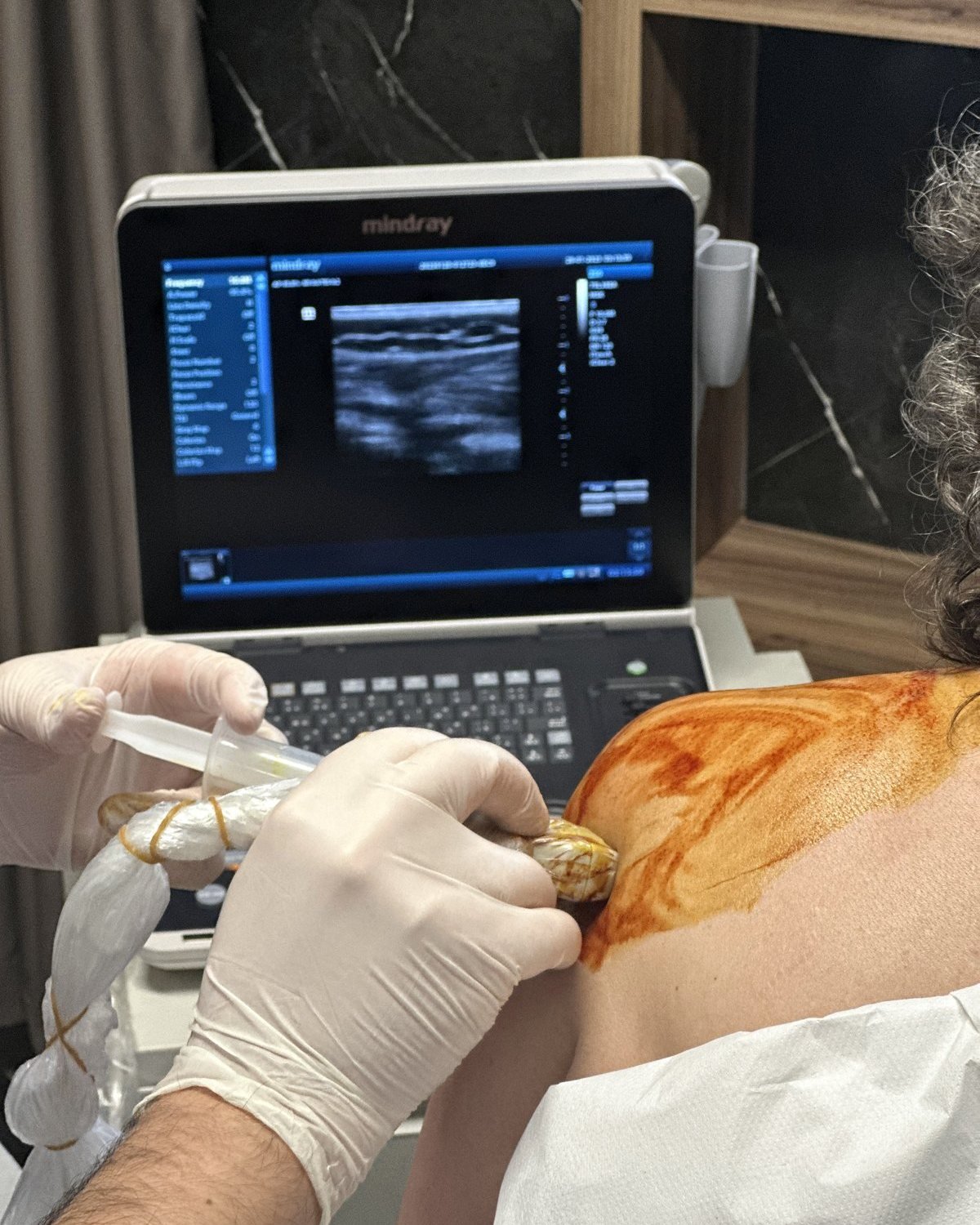
PRP can only be expected to help when it reaches the right tissue. With ultrasound we see the damaged area of the tendon or the joint space on the screen and guide the needle to it.
What happens on the day?
For a few days before and after the injection, we ask you not to take anti-inflammatory painkillers (NSAIDs such as ibuprofen), because these medicines can affect how platelets work. If you have pain, paracetamol can usually be used.
On the day, blood is taken from your arm, the PRP is prepared in the centrifuge and then injected under ultrasound guidance. The procedure usually takes 30–45 minutes. The number of sessions and the interval between them depend on the problem; usually 1–3 sessions are given, 1–4 weeks apart.
Possible risks and side effects
Pain, swelling and a feeling of tightness for 24–72 hours after the injection are common and usually settle on their own. There may be bruising where the blood was taken. As with any injection, there are rare risks such as infection, bleeding and nerve damage.
Because PRP is made from your own blood, an allergy is not expected. However, PRP is still an injection, and the risks above also apply to it. Please call us if you develop a fever or increasing redness or swelling after the procedure.
Physiotherapy and follow-up
An exercise programme is important during the healing process that PRP aims to support. We plan a gradual programme with the physiotherapist and assess your response at a follow-up appointment.
Reviewed by Dr Enis Gürsel, Orthopaedic and Trauma Surgeon · Last reviewed: 5 November 2026